Maktub And The Journey Of Destiny: Exploring Fate In Literature And Life
Have you ever encountered the Arabic word "maktub" and felt its profound weight? Meaning "it is written," this concept of destiny appears throughout literature and shapes our understanding of fate's role in our lives. From Paulo Coelho's The Alchemist to Shakespeare's tragedies, the tension between free will and predetermined destiny creates some of the most compelling narratives in world literature. This exploration of maktub will take us through classic works, examining how characters navigate their fates and what these stories reveal about our own journeys.
Understanding Maktub: The Concept of Written Destiny
The merchant's decision to expand his operation despite initial reluctance exemplifies the principle of maktub—the belief that destiny guides our choices even when we resist. In Coelho's narrative, when the merchant finally agrees to grow his business, he attributes this shift to destiny itself, teaching Santiago that some paths unfold regardless of our hesitation. This acceptance of fate doesn't mean passivity but rather recognizing when the universe conspires to move us forward.
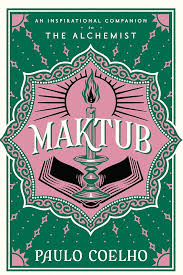
The word maktub appears throughout The Alchemist as a reminder that certain events are preordained. When Santiago learns this Arabic term, it becomes a touchstone for understanding that his journey to the pyramids, his love for Fatima, and his eventual discovery of treasure were all part of a larger design. The shop grows more and more successful with each passing month, not merely through the merchant's efforts but through alignment with a greater plan.
This concept resonates beyond Coelho's work. In Shakespeare's plays, characters often grapple with the tension between their desires and what seems "written" for them. Lady Macbeth manipulates Macbeth by equating manhood with ruthless ambition and violence, challenging his masculinity to push him toward murder. Her tactics invert traditional values and force us to question whether Macbeth's tragic fate was truly his choice or part of a predetermined narrative.
Literary Explorations of Fate and Free Will
The Alchemist: Santiago's Journey of Discovery
Santiago's quest to obtain the treasure represents the universal human journey toward self-discovery and fulfillment. His path takes him from Spain to Egypt, through love and loss, teaching him that the real treasure often lies in the journey itself rather than the destination. The man accepts his decision and teaches Santiago a valuable word in Arabic, "maktub," meaning "it is written," which becomes the philosophical foundation for understanding his adventures.
The novel's power lies in how it presents destiny not as a constraint but as a guide. Santiago's Personal Legend—his true purpose—awaits him, but he must choose to pursue it. This creates a fascinating interplay between fate and free will: the treasure exists because it's written, but Santiago must still decide to seek it. This balance between predestination and personal choice makes The Alchemist a compelling meditation on how we navigate our own destinies.
Othello: The Tragic Power of Manipulation
Discussion of themes and motifs in William Shakespeare's Othello reveals how jealousy and manipulation can override even the strongest bonds of love. Iago's machinations drive Othello to murder his beloved Desdemona, raising questions about whether their tragic end was inevitable or the result of human weakness. The play explores how external forces—Iago's deception—interact with internal flaws—Othello's insecurity—to create a destiny that feels both chosen and imposed.
Enotes critical analyses help you gain a deeper understanding of Othello so you can excel on your essay or test, revealing how Shakespeare examines the human capacity for self-destruction. Othello's downfall isn't simply written by the stars but emerges from his choices in response to Iago's manipulation. This complexity makes Othello a profound exploration of how we participate in writing our own fates, even when those fates lead to tragedy.
Wuthering Heights: Generational Patterns and Revenge
Wuthering Heights is a multigenerational story of love and revenge that revolves around the inhabitants of a desolate farmhouse called Wuthering Heights. Here are some quick plot points: the intense relationship between Heathcliff and Catherine Earnshaw, the cycle of vengeance that spans generations, and the destructive power of unresolved passion. The novel suggests that certain patterns—of love, revenge, and suffering—repeat across generations, as if written into the very landscape of the moors.
Emily Brontë's masterpiece presents a world where characters seem trapped by their circumstances and emotions. Heathcliff's obsessive love for Catherine and his subsequent revenge against those he believes wronged him create a destiny that feels inescapable. Yet the novel also suggests that awareness and choice can break these cycles, as seen in the younger generation's attempts to forge different paths. This tension between inherited destiny and personal agency makes Wuthering Heights a compelling study of how we navigate the stories we inherit.
Robinson Crusoe: Spiritual Growth vs. Rational Enlightenment
Robinson Crusoe epitomizes the conflict between spiritual growth and rational enlightenment. Stranded on an island, Crusoe's journey reflects his shift from independence to dependence on God, from isolation to community, from material focus to spiritual understanding. His survival depends on both practical skills and faith, creating a narrative where destiny and self-determination work in tandem.
Crusoe's transformation from a reckless adventurer to a reflective survivor illustrates how crisis can reveal our true path. The island becomes both a prison and a classroom, where Crusoe must confront his past choices while building a new life. This duality—of being cast away yet finding purpose—mirrors the maktub concept: circumstances may be beyond our control, but our response to them shapes our destiny.
Historical Context: The Weight of Collective Destiny
The Atlantic slave trade was one of the largest economic ventures and humanitarian tragedies of its time, if not in all of modern history. Its rise was the result of several factors mostly economic, but also technological and social. This historical example shows how collective destinies—those of millions of people—can be shaped by forces beyond individual control, yet also how resistance and resilience can challenge even the most oppressive "written" fates.
Understanding the slave trade through the lens of maktub raises uncomfortable questions about agency and oppression. While the system itself seemed inevitable to those who benefited from it, the resistance of enslaved people and abolitionists demonstrates that even seemingly predetermined systems can be challenged. This historical context reminds us that while some aspects of destiny may be written, we retain the power to rewrite the narratives that harm us.
Applying Maktub to Modern Life
The concept of maktub offers valuable insights for contemporary decision-making. When facing crossroads in career, relationships, or personal growth, the principle suggests that certain opportunities may be destined while others are distractions. The key lies in developing the wisdom to distinguish between them—to recognize when to push forward and when to accept that something is "written."
This doesn't mean passive acceptance of all circumstances. Rather, maktub teaches that alignment with our true path often requires both action and surrender. Like Santiago pursuing his Personal Legend, we must take steps toward our goals while remaining open to unexpected guidance. The merchant's shop grows more and more successful not because he simply waited for destiny but because he recognized when the time was right to act.
The Psychology of Destiny Belief
Belief in destiny or maktub can serve psychological functions, providing comfort during difficult times and motivation during periods of uncertainty. When we face challenges, the idea that "it is written" can help us persevere, trusting that our struggles serve a purpose. Conversely, this belief can also lead to fatalism if misinterpreted as meaning our actions don't matter.
The healthiest approach to maktub combines acceptance of what we cannot change with commitment to changing what we can. This balanced perspective—recognizing both the written and the unwritten aspects of our lives—allows us to engage fully with our journey while maintaining peace about outcomes beyond our control.
Literary Analysis and Critical Thinking
Enotes critical analyses help you gain a deeper understanding of The Alchemist so you can excel on your essay or test, providing frameworks for examining how destiny operates in literature and life. These analytical tools teach us to look beyond surface narratives to understand the deeper patterns that guide characters' choices and outcomes.
Critical analysis of destiny themes in literature reveals common patterns: the reluctant hero who must accept their fate, the mentor who provides guidance about the "written" path, the trials that test commitment to one's destiny. Recognizing these patterns in stories helps us identify them in our own lives, developing greater awareness of how we navigate between choice and circumstance.
Conclusion: Writing Our Own Maktub
The concept of maktub—that some things are written—doesn't diminish the importance of our choices but rather contextualizes them within a larger narrative. Like the characters in our favorite stories, we face moments where destiny seems to guide us and others where our choices feel entirely our own. The wisdom lies in recognizing which is which and responding appropriately.
Whether we're pursuing treasure like Santiago, navigating complex relationships like Othello, breaking generational patterns like the younger characters in Wuthering Heights, or building a new life like Robinson Crusoe, we participate in writing our own maktub. The Arabic word reminds us that while some aspects of our journey may be predetermined, how we walk that path remains our choice.
As we face our own crossroads, may we develop the wisdom to recognize when to push forward and when to accept that something is "written," understanding that true destiny often emerges from the dance between our choices and the greater patterns that guide us. In this way, we become both authors and characters in the story of our lives, writing our maktub one choice at a time.