Understanding Hijabi Culture: From Religious Practice To Modern Fashion
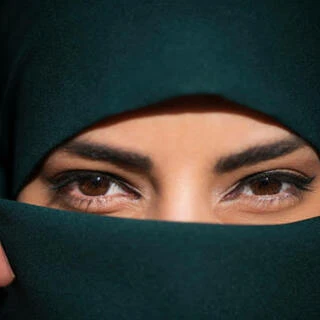
Hijab, pronounced [ħɪˈdʒaːb], refers to head coverings worn by Muslim women as an expression of faith and modesty. Similar to the mitpaḥat/tichel or snood worn by religiously observing married Jewish women, the hijab represents a deeply personal choice that connects women to their spiritual beliefs while also serving as a cultural identifier. This comprehensive guide explores the multifaceted world of hijab fashion, from its religious significance to its modern interpretations in today's diverse society.
The Meaning and Purpose of Hijab
Hijab, a garment worn by some Muslim women to cover their hair, carries profound spiritual significance beyond its physical appearance. The meaning of hijabi is a Muslim woman who follows the religious practice of wearing a head covering such as a hijab, embodying principles of modesty and devotion. A Muslim woman who observes hijab does so as an act of worship and personal commitment to her faith.
The point of the hijab is to hide one's beauty from the outside world, creating a sense of privacy and dignity. However, this doesn't mean that hijabi women cannot look nice or develop a personal style. Many find creative ways to express themselves through their hijab choices while maintaining the core principles of modesty. For instance, Fatima Mohtadi, a bubbly person who enjoys fashion and self-expression, demonstrates how hijab can be both a religious observance and a form of personal style.
Hijabi Representation in Modern Media
That's why we've tapped four Muslim hijabi women at the forefront of hijabi representation to help redirect the narrative and represent the true empowerment their hijabs bring them. These women are breaking stereotypes and showing the world that wearing a hijab doesn't limit one's potential or personal expression. They are successful professionals, influencers, and advocates who prove that hijab can be a source of strength and identity.
People often react to the fact that I don't fit a stereotype, shares one hijabi blogger, highlighting the common misconceptions about women who wear hijab. She is one of a group of hijabi bloggers, Muslim women expressing their love of fashion, lifestyle, and personal growth while maintaining their religious values. These women are creating content that resonates with millions of followers worldwide, proving that hijab fashion and modesty can be both trendy and empowering.
Fashion and Style for Hijabi Women
In the Hijabi online shop, you will find stylish headscarf styles that emphasize your personality and give you elegance. The modern hijab fashion industry has evolved significantly, offering a wide range of materials, colors, and designs to suit every taste and occasion. From everyday wear to special events, hijabi women have countless options to express their personal style while maintaining their religious commitments.
We want your hijab to feel like a second skin to you, say many hijab fashion designers who understand the importance of comfort and style. The hijab can take many forms, including a scarf, veil, or hood, and can be worn in various styles depending on personal preference and cultural traditions. Modern hijab fashion incorporates innovative fabrics and designs that make wearing hijab more comfortable and versatile than ever before.
Navigating Challenges and Discrimination
Discrimination against hijabi women is real, though thankfully, there are legal protections in many places. In the US, employers can't legally refuse to hire someone because of religious dress, and many other countries have similar protections in place. However, hijabi women still face challenges in various aspects of life, from workplace discrimination to social prejudice.
Despite these challenges, many hijabi women are breaking barriers and achieving success in various fields. They are doctors, lawyers, teachers, entrepreneurs, and leaders who prove that wearing hijab doesn't limit one's capabilities or opportunities. The growing visibility of successful hijabi women in mainstream media and professional fields is helping to change perceptions and create more inclusive environments.
The Essence of Hijab in Modern Society
In its essence, the hijab is a headcovering worn by many Muslim women as a symbol of modesty, privacy, and piety. While it's often viewed merely as a dress code, for many, the hijab represents a deeply personal choice that connects them to their faith and community. It's a visible expression of religious identity that carries both spiritual and cultural significance.
The modern interpretation of hijab has evolved to include various styles and approaches while maintaining its core values. Many hijabi women find creative ways to incorporate current fashion trends into their modest wardrobe, proving that religious observance and personal style can coexist harmoniously. The hijab fashion industry continues to grow, offering more options and innovations that cater to the diverse needs of hijabi women worldwide.
Conclusion
The journey of understanding and appreciating hijab culture goes beyond just the physical covering. It's about recognizing the diverse experiences, challenges, and triumphs of hijabi women in modern society. From religious observance to fashion expression, hijabi women continue to shape the narrative around their identity and choices.
As society becomes more inclusive and understanding, the visibility of hijabi women in various fields and media platforms helps break down stereotypes and promote acceptance. The evolution of hijab fashion demonstrates how traditional religious practices can adapt to modern times while maintaining their core values. Whether for religious reasons or personal choice, wearing hijab remains a powerful statement of identity and faith for millions of women worldwide.
The future of hijab fashion and representation looks promising, with more hijabi women taking leadership roles in various industries and using their platforms to share their experiences and perspectives. Their stories of resilience, creativity, and success continue to inspire others and contribute to a more diverse and inclusive world where different expressions of faith and identity are respected and celebrated.