Navigating Life As An Amputee: Resources, Support, And Empowerment
Living with limb loss or limb difference is a journey that affects hundreds of thousands of individuals across the United States. Whether you're newly navigating this path or have been walking it for years, understanding the landscape of resources, support systems, and opportunities available can make all the difference in your quality of life.
Understanding the Amputee Experience
The journey of an amputee begins before surgery, and many people enter this experience without knowing what to expect. An amputee is a person who has undergone an amputation or limb loss, whether through surgical intervention or trauma. Some amputations occur surgically, while others result from accidents, medical conditions, or congenital differences. The reasons behind limb loss are as varied as the individuals themselves, ranging from diabetes-related complications to cancer, vascular disease, or traumatic injuries.
Our journeys can vary widely, and this diversity is something to be celebrated rather than seen as a limitation. Each person's experience with limb loss is unique, influenced by factors such as age at amputation, the level of amputation, overall health, support system, and personal goals. Some individuals may lose a finger or toe, while others face more significant limb loss affecting arms, legs, or combinations thereof. This variation means that no single approach works for everyone, and personalized care and support are essential.
The Amputee Coalition: Four Decades of Advocacy
For four decades, the Amputee Coalition has been a trusted voice and advocate, supporting and empowering people who have limb loss and limb difference across the nation. Since its establishment, this organization has worked tirelessly to ensure that amputees have access to the information, resources, and community connections they need to thrive. The Coalition serves not only amputees themselves but also their families, caregivers, and healthcare providers who play crucial roles in the rehabilitation and adaptation process.
The organization's work spans multiple areas, including education, advocacy, support group facilitation, and resource development. They understand that limb loss affects every aspect of a person's life – from physical mobility to emotional well-being, from career choices to social relationships. By addressing these multifaceted needs, the Amputee Coalition helps create a more inclusive and supportive environment for the entire amputee community.
Comprehensive Support Services and Resources
Whether you're a new amputee or have been living with limb loss for years, our amputee resource directory can help you find support for prosthetic care, social connection, healthcare, and amputee rehab. The landscape of available services is extensive and continues to grow as technology advances and awareness increases. These resources are designed to address the full spectrum of needs that arise after limb loss.
Prosthetic care represents one of the most significant areas of support. Modern prosthetics have evolved dramatically, offering options that range from basic functional devices to highly sophisticated, computerized limbs that can mimic natural movement with remarkable precision. Working with qualified prosthetists who understand your specific needs and goals is crucial for achieving optimal outcomes. Many organizations provide guidance on selecting the right prosthetic provider and understanding what to expect from the fitting and adjustment process.
Healthcare support extends beyond prosthetics to include physical therapy, occupational therapy, and specialized medical care. Rehabilitation professionals help amputees regain strength, balance, and coordination while teaching adaptive techniques for daily activities. Mental health support is equally important, as adjusting to limb loss can trigger a range of emotional responses, including grief, anxiety, and depression. Support groups and counseling services provide safe spaces for processing these feelings and connecting with others who understand the experience firsthand.
Adaptive Sports and Athletic Opportunities
Organizations such as the Challenged Athletes Foundation have been developed to give amputees the opportunity to be involved in athletics and adaptive sports such as amputee soccer. These programs recognize that physical activity is not just about fitness – it's about community, confidence, and reclaiming one's sense of capability. Adaptive sports have grown exponentially in recent years, with opportunities now available for nearly every interest and ability level.
From running and swimming to skiing and rock climbing, amputees are participating in virtually every sport imaginable. The development of specialized equipment, including running blades and adaptive gear, has opened doors that once seemed permanently closed. Beyond the physical benefits, participation in sports provides social connections, goal-setting opportunities, and a powerful sense of achievement that can transform how amputees view themselves and their capabilities.
The American Amputee Foundation: A National Resource
AAF was established in 1975 as a national information clearinghouse and referral center serving amputees, their families, and care providers. This long-standing organization has played a pivotal role in connecting people with the resources they need while advocating for better policies and practices in healthcare and accessibility. Their work includes maintaining extensive databases of service providers, facilitating support group networks, and providing educational materials that help amputees make informed decisions about their care.
The foundation's referral services are particularly valuable for those who are newly navigating the amputee community and may not know where to turn for specific needs. Whether someone is looking for a specialized healthcare provider, seeking information about financial assistance programs, or wanting to connect with others who share similar experiences, the AAF serves as a central hub for these connections.
Daily Living and Assistive Technology
An amputee is someone who does not have all or part of at least one limb. This definition encompasses a wide range of experiences and needs, from those who have minor digit amputations to individuals with bilateral above-knee amputations. Understanding this diversity is crucial for developing appropriate support systems and technologies that address the full spectrum of limb loss experiences.
Many amputees choose to wear a prosthesis, which can range from simple cosmetic devices to highly functional bionic limbs. The decision to use a prosthetic device is deeply personal and depends on factors such as the level of amputation, overall health, lifestyle goals, and personal preferences. Some individuals find that prosthetics enhance their independence and quality of life, while others may prefer alternative mobility solutions or choose not to use prosthetics at all.
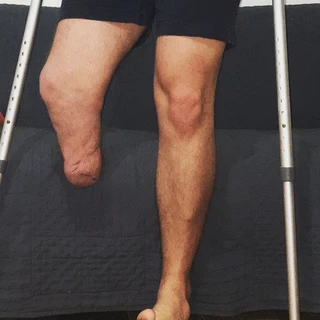
They may use assistive devices like a wheelchair, crutches, or a cane to get around. The choice of mobility aids depends on various factors, including the level of amputation, overall physical condition, home environment, and personal preferences. Some amputees use different mobility solutions for different situations – perhaps using a prosthetic for daily activities but switching to a wheelchair for longer distances or when energy conservation is important.
Amputee Aid: Restoring Hope and Independence
Amputee Aid provides prosthetics, essential care, and support to empower amputees, restoring hope, mobility, and independence. Organizations like this play a vital role in ensuring that financial constraints don't prevent individuals from accessing the care and equipment they need. Many amputees face significant financial challenges related to prosthetic devices, which can cost thousands of dollars and may not be fully covered by insurance.
These organizations often work to bridge gaps in healthcare coverage, provide refurbished equipment to those in need, and offer educational programs that help amputees maximize their independence. Their holistic approach recognizes that true empowerment comes from addressing not just the physical aspects of limb loss but also the social, emotional, and economic factors that influence quality of life.
Building a Supportive Community
The importance of community support cannot be overstated in the amputee journey. Connecting with others who share similar experiences provides emotional validation, practical advice, and a sense of belonging that can be transformative. Support groups, both in-person and online, offer spaces where amputees can share their stories, ask questions, and learn from others who have walked similar paths.
Family members and caregivers also need support and education to effectively assist their loved ones while maintaining their own well-being. Many organizations offer resources specifically designed for caregivers, recognizing that the support network around an amputee plays a crucial role in successful adaptation and recovery.
Looking Forward: Innovation and Advocacy
The future for amputees is increasingly bright as technological innovations continue to expand possibilities. From 3D-printed prosthetics to neural-controlled bionic limbs, advances in engineering and medicine are creating new opportunities for enhanced function and independence. Simultaneously, advocacy efforts are working to improve accessibility, insurance coverage, and societal inclusion for people with limb differences.
As awareness grows and more resources become available, the amputee community continues to strengthen and expand. The combination of medical advancement, community support, and individual resilience creates a powerful foundation for living full, meaningful lives after limb loss. Whether you're at the beginning of your journey or have been navigating it for years, remember that you're not alone – a vast network of support, resources, and opportunities exists to help you thrive.
The path of an amputee is one of adaptation, resilience, and often, remarkable achievement. By connecting with available resources, building supportive relationships, and embracing the possibilities that exist, amputees can not only overcome challenges but also discover new strengths and opportunities they might never have imagined. The journey may be different from what was originally planned, but it can be equally rich, rewarding, and full of potential.