The Ultimate Guide To Understanding And Living The Goth Lifestyle
Goth culture has captivated and intrigued people for decades, evolving from its musical roots into a rich subculture that encompasses fashion, art, philosophy, and lifestyle. Whether you're curious about the dark aesthetic or seeking to understand this misunderstood community, this comprehensive guide will illuminate the fascinating world of goth culture.
The Origins and Evolution of Goth Culture
Goth culture emerged in the late 1970s and early 1980s as a distinct subculture that drew inspiration from various artistic movements and musical styles. According to their own legend, the Goths were a Germanic people whose two branches, the Ostrogoths and the Visigoths, for centuries harassed the Roman Empire. While this historical connection is more symbolic than literal, it reflects the subculture's fascination with medieval imagery and dark romanticism.
The modern goth subculture is mainly centered around fashion, music festivals, clubs, and organized meetings where like-minded individuals can express themselves freely. What began as a musical movement has blossomed into a comprehensive lifestyle that celebrates individuality and embraces the beauty in darkness.
The Musical Foundation of Goth Culture
Goth is a music category, a fashion style, a lifestyle, and is often characterized by an affiliation to a 'dark' aesthetic. The music serves as the heartbeat of the entire subculture, with bands like Bauhaus, Siouxsie and the Banshees, Joy Division, and The Cure laying the groundwork for what would become known as goth rock.
Understand the characters and different offshoots of goth music, which range from the ethereal sounds of Cocteau Twins to the industrial beats of Nine Inch Nails. The genre is characterized by deep, resonant vocals, atmospheric instrumentation, and lyrics that explore themes of existentialism, love, death, and the supernatural.
Fashion as a Form of Expression
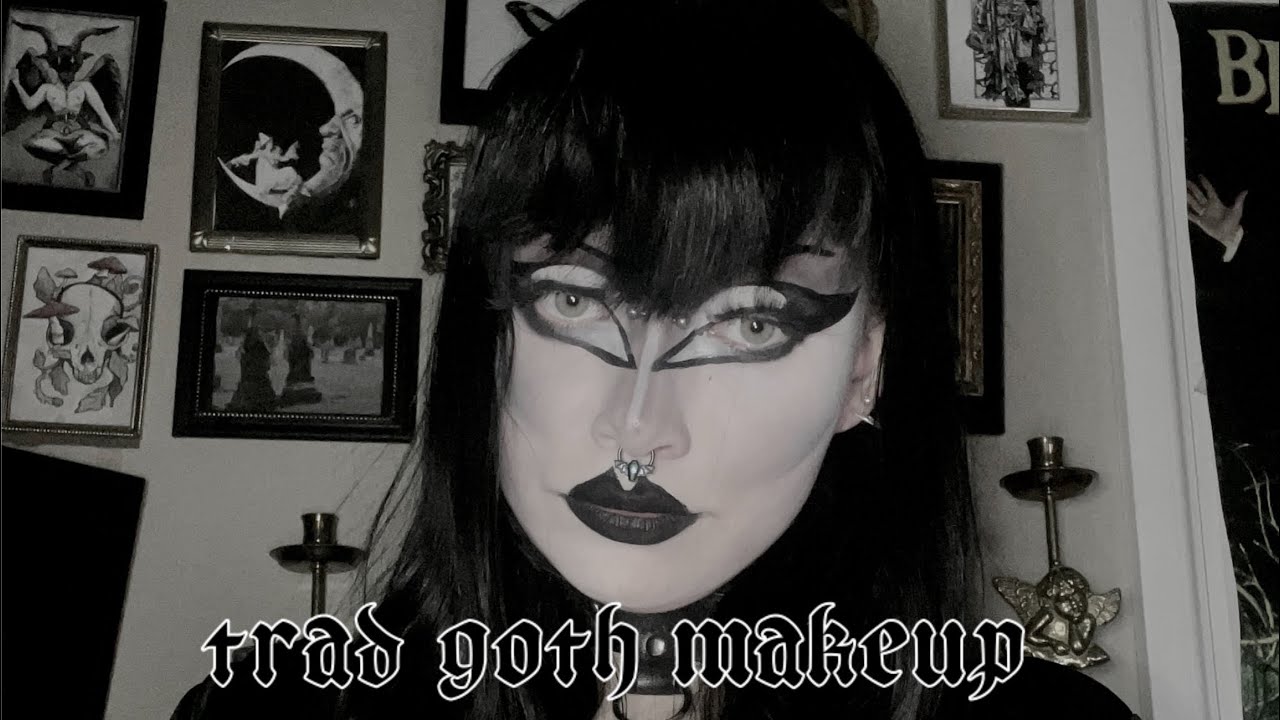
Styles of dress within the subculture draw on glam rock, punk, new wave, new romantics, and from the Victorian and Edwardian eras. The goth aesthetic is instantly recognizable, featuring black clothing, dramatic makeup, and accessories that often incorporate religious imagery, occult symbols, or Victorian mourning attire.
The fashion element of goth culture is not merely about wearing black; it's a carefully curated expression of identity and emotion. From the romantic goth who favors lace and velvet to the cyber goth who embraces futuristic elements, there are numerous subgenres within goth fashion, each with its own distinct characteristics.
The Philosophy and Mindset of Goth
Goth is a subculture shaped by shadowed melodies, theatrical fashion, and deep emotional expression. It's a refuge for the outcast and a movement for those who feel more alive in the dark. The goth mindset embraces authenticity, rejects mainstream conformity, and finds beauty in what others might consider macabre or unsettling.
This philosophy extends beyond aesthetics into daily life, influencing everything from home decor to personal relationships. Many goths create spaces that reflect their aesthetic sensibilities, leading to the emergence of gothic homemakers who transform their living spaces into dark, romantic sanctuaries.
Living the Goth Lifestyle
The ultimate guide to living a goth lifestyle encompasses more than just fashion and music—it's about embracing a worldview that celebrates the mysterious, the melancholic, and the misunderstood. This lifestyle involves exploring the macabre subculture of goth music, fashion, and mindset while finding community with others who share similar sensibilities.
For those interested in discovering goth rock bands, gothic homemakers, and more, the goth community offers a welcoming space for self-expression and artistic exploration. Whether you're drawn to the music, the fashion, or the philosophical underpinnings, goth culture provides a rich tapestry of experiences to explore.
The Cultural Impact and Modern Evolution
Goth developed from various other youth subcultures, including punk, and evolved from a reaction against mainstream culture into a vibrant, enduring movement. Today, goth culture continues to influence mainstream fashion, music, and art, while maintaining its core values of individuality and authenticity.
The subculture has proven remarkably adaptable, incorporating new influences while staying true to its roots. From traditional goth rock to contemporary darkwave and post-punk revival, the music continues to evolve. Similarly, goth fashion has expanded to include steampunk, nu-goth, and other hybrid styles that keep the aesthetic fresh and relevant.
Finding Your Place in the Goth Community
Whether you're a longtime enthusiast or just beginning to explore goth culture, there are countless ways to engage with this vibrant community. Attend local club nights, participate in online forums, create your own dark-inspired art, or simply incorporate elements of goth style into your daily life in ways that feel authentic to you.
The beauty of goth culture lies in its inclusivity and its celebration of the individual. There's no single "right way" to be goth—the subculture embraces diversity and encourages personal expression. From the music you listen to, to the clothes you wear, to the way you decorate your home, goth culture offers endless opportunities for creative self-expression.
Conclusion
Goth culture represents far more than just a fashion trend or musical genre—it's a comprehensive lifestyle and philosophy that has resonated with people for generations. By embracing the beauty in darkness, celebrating individuality, and creating spaces for authentic self-expression, goth culture continues to thrive and evolve in the modern world.
Whether you identify as goth or simply appreciate aspects of the culture, understanding its history, philosophy, and artistic contributions provides valuable insight into a subculture that has profoundly influenced art, music, and fashion for decades. The goth community remains a welcoming space for those who feel most alive when exploring the shadows, proving that there's beauty to be found in every corner of human experience.