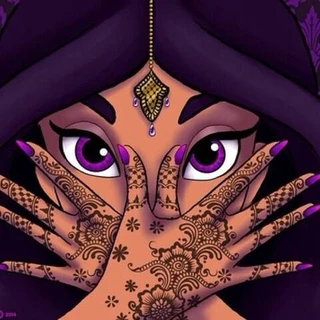
The Ancient Art Of Henna: From Cultural Tradition To Modern Beauty Practice
Henna has captivated humanity for thousands of years, serving as both a cultural tradition and a natural beauty enhancement. This ancient art form, known by various names including mehndi, anella, and lalle, has transcended geographical boundaries and continues to enchant people worldwide with its natural dyeing properties and intricate designs.
The Historical Roots of Henna
Henna's rich history spans across multiple ancient civilizations, with evidence of its use found in ancient Egypt, the ancient Near East, and the Indian subcontinent. These cultures discovered the remarkable properties of the henna plant (Lawsonia inermis) and incorporated it into their daily lives and ceremonial practices. Archaeological findings suggest that henna was used as far back as 7,000 years ago, making it one of humanity's oldest beauty and cultural practices.
The versatility of henna was quickly recognized by ancient civilizations. Beyond its cosmetic applications, henna was used to dye skin, hair, and fingernails, creating both aesthetic and practical benefits. The plant's natural coloring properties were also applied to fabrics including silk, wool, and leather, demonstrating the wide-ranging utility of this remarkable botanical resource.
Understanding Henna: The Natural Dye
Henna, scientifically known as Lawsonia inermis, is a flowering plant that produces leaves containing a natural coloring pigment. This pigment, called lawsone, is the key to henna's dyeing properties. When the leaves are dried and ground into a fine powder, this pigment can be released and applied to various surfaces, creating temporary stains that range from orange to deep burgundy, depending on the application method and duration.
The henna plant's leaves contain approximately 2-3% lawsone content, which is responsible for the characteristic reddish-brown color that henna produces. This natural dye molecule works by binding to proteins, particularly keratin found in skin, hair, and nails, creating a semi-permanent stain that gradually fades as skin cells naturally exfoliate.
The Science Behind Henna's Coloring Properties
Henna works through a fascinating chemical process that makes it both safe and effective. When henna paste releases the dye molecule lawsone, it binds to keratin in skin and hair through a process called Michael addition. This chemical reaction creates a permanent bond between the dye and the protein structures, resulting in the characteristic staining effect.
The staining process typically occurs in two stages. First, the lawsone molecules penetrate the outer layers of skin or hair. Then, over the course of 24-48 hours, oxidation occurs, darkening the stain to its final color. This gradual development is why henna stains appear lighter initially and deepen over time, reaching their peak color within a few days of application.
Cultural Significance and Traditional Uses
Throughout history, henna has held profound cultural significance across various societies. In many cultures, henna application is deeply intertwined with celebrations, rituals, and rites of passage. Weddings, religious festivals, and other significant life events often feature elaborate henna designs as part of the celebration.
In South Asian and Middle Eastern cultures, henna is particularly associated with bridal preparations. The intricate designs applied to the bride's hands and feet are believed to bring good luck, joy, and protection. These traditions have been passed down through generations, with each culture developing its own unique patterns and application techniques.
Modern Applications and Contemporary Trends
While henna's traditional uses remain popular, modern applications have expanded significantly. Today, henna is used not only for body art but also as a natural hair dye alternative. Many people seek out henna as a chemical-free option for coloring their hair, appreciating its conditioning properties and lack of harsh ingredients.
The natural hair dye market has seen substantial growth, with henna-based products becoming increasingly popular among consumers seeking organic and sustainable beauty solutions. Henna's ability to strengthen hair while providing color has made it a favorite among those with sensitive scalps or concerns about chemical exposure.
Achieving Different Colors with Henna
While natural henna produces a reddish-brown color, various techniques can be employed to achieve different shades. To achieve a color that is more brown or black, additional natural ingredients are often combined with henna. These may include indigo for darker shades, coffee or tea for deeper tones, or other botanical ingredients that modify the final color result.
It's important to note that pure henna cannot produce black color on its own. Products claiming to be "black henna" often contain additional chemical dyes, particularly para-phenylenediamine (PPD), which can cause severe allergic reactions. Natural alternatives for darker shades include combining henna with indigo or using other plant-based dyes in combination.
The Art and Science of Henna Application
The process of creating and applying henna paste requires both artistic skill and scientific understanding. The quality of the henna powder, the mixing process, and the application technique all influence the final result. High-quality henna powder should be bright green and have a fresh, hay-like scent.
The paste is typically mixed with acidic liquids such as lemon juice or tea to release the dye molecules effectively. Essential oils like tea tree, lavender, or eucalyptus are often added to improve the paste's consistency and enhance the staining properties. The mixture must be allowed to rest for several hours to achieve optimal dye release before application.
Safety Considerations and Best Practices
When using henna, safety should always be a primary concern. Pure, natural henna is generally safe for most people, but it's essential to perform a patch test before full application, especially for those with sensitive skin or known allergies. The henna page and other educational resources provide comprehensive information about safe henna practices and potential risks.
It's crucial to avoid "black henna" products, which often contain harmful chemicals that can cause severe skin reactions, including chemical burns and permanent scarring. True natural henna always produces a reddish-brown stain and never results in black coloring.
Preserving and Caring for Henna Designs
Proper aftercare is essential for achieving the darkest, longest-lasting henna stain. After application, the paste should be left on the skin for several hours, ideally overnight. During this time, the lawsone molecules continue to bind with the skin's proteins, creating a deeper stain.
Once the paste is removed, the stain will initially appear orange and gradually darken over the next 24-48 hours. To protect the design and extend its longevity, avoid water exposure for the first 24 hours and apply natural oils like coconut or olive oil to create a protective barrier. With proper care, henna designs typically last one to three weeks, depending on the body location and individual skin type.
Henna in the Modern Beauty Industry
The beauty industry has embraced henna for its natural properties and versatility. Professional henna artists now combine traditional techniques with contemporary designs, creating everything from classic bridal patterns to modern minimalist styles. The growing demand for natural and sustainable beauty products has further elevated henna's status in the industry.
Educational resources and communities dedicated to henna artistry continue to grow, with organizations like The Henna Page serving as comprehensive repositories of knowledge about henna's history, traditions, techniques, and science. These resources help preserve traditional practices while promoting safe and informed use of henna in modern contexts.
Conclusion
Henna's journey from ancient tradition to modern beauty practice demonstrates its enduring appeal and versatility. As people increasingly seek natural alternatives in beauty and self-expression, henna continues to offer a safe, beautiful, and culturally rich option. Whether used for traditional ceremonies, artistic expression, or natural hair coloring, henna remains a testament to the timeless connection between nature, culture, and personal adornment.
The future of henna looks bright as more people discover its benefits and applications. By understanding its history, respecting its cultural significance, and using it safely and responsibly, we can ensure that this ancient art form continues to thrive and evolve for generations to come.