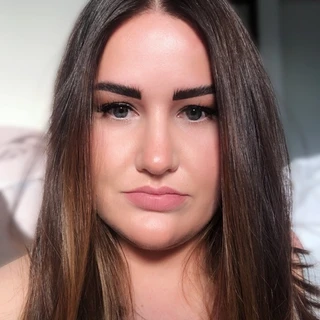
The Ultimate Guide To Brunette Hair: From Definition To Styling Tips
Brunette hair has captivated people for centuries with its rich, warm tones and versatile styling options. Whether you're a natural brunette or considering making the switch, this comprehensive guide will explore everything you need to know about this classic hair color.
What Does "Brunette" Really Mean?
The meaning of brunette is a person having brown hair—usually used of a woman or girl and usually spelled brunette in that use—when used of a man or boy usually spelled brunet. This distinction in spelling reflects the gendered nature of the term in the English language, though both refer to the same beautiful brown hair color.
The word originates from the French term "brun," meaning brown, and has been adopted into English to specifically describe people with brown hair. While the term is most commonly associated with women, men with brown hair can also be described as brunets, though this usage is less common in everyday conversation.
The Color Spectrum of Brunette Hair
When we talk about brunette hair, we're referring to hair that is (of hair, eyes, skin, etc.) of a dark color or tone. This encompasses a wide range of shades, from light golden browns to deep espresso tones. The brunette spectrum is incredibly diverse, offering something for everyone regardless of skin tone or personal style preferences.
Understanding Brunette as a Hair Color
A person, especially a woman or girl, who has dark brown hair falls into the brunette category. Brunette hair is dark brown, but it's important to note that this doesn't mean a single, uniform shade. Brunette hair can have various undertones, including warm golden hues, cool ash tones, and rich mahogany shades.
The versatility of brunette hair makes it one of the most popular hair colors worldwide. According to hair color statistics, approximately 90% of the world's population has some shade of brown hair, making brunette the most common hair color globally.
Formal Definitions and Linguistic Context
The definition of brunette noun in oxford advanced learner's dictionary provides a clear linguistic foundation for understanding this term. Beyond simple dictionary definitions, the word carries cultural significance and has been used throughout literature, art, and popular culture to describe beauty and sophistication.
When examining meaning, pronunciation, picture, example sentences, grammar, usage notes, synonyms and more, we find that "brunette" functions as both a noun and an adjective. As a noun, it refers to the person with brown hair, while as an adjective, it describes the hair color itself or characteristics associated with it.
Brunette in Language and Culture
Noun brunette (plural brunettes) a person, especially female, with brown hair has been a subject of fascination in various cultural contexts. From classic Hollywood films to modern fashion magazines, brunettes have been celebrated for their perceived sophistication and natural beauty.
The term appears in countless example sentences, demonstrating its versatility in language. For instance, "The striking brunette entered the room and immediately caught everyone's attention" illustrates how the word is used to create vivid imagery and character descriptions.
Synonyms and Related Terms
Brunette synonyms, brunette pronunciation, brunette translation, english dictionary definition of brunette all contribute to our comprehensive understanding of this term. Some common synonyms include "brown-haired," "dark-haired," and "sable-haired," though these may carry slightly different connotations.
In various languages, the concept translates differently. For example, in Spanish, "morena" is often used to describe a brunette woman, while in French, the term remains "brune." These linguistic variations reflect the universal appreciation for brown hair across cultures.
The Beauty of Brunette Hair
A girl or woman with brown hair is often described as having brunette hair, and this description carries with it certain aesthetic associations. Historically, brunettes have been portrayed as mysterious, intelligent, and sophisticated in various forms of media and art.
Having dark or brown hair is often associated with natural beauty and can be incredibly flattering for many skin tones. The richness of brunette hair can create depth and dimension that enhances facial features and overall appearance.
The Science Behind Brunette Hair Color
(of the hair, eyes, skin, etc., of a white person) of a dark color or tone is determined by the amount and type of melanin present in the hair follicles. Brown hair contains higher levels of eumelanin, specifically brown eumelanin, which gives it its characteristic color.
The genetics behind hair color are complex, involving multiple genes that determine not only the basic color but also the shade, intensity, and potential for graying over time. This genetic complexity explains why brunette hair can vary so dramatically from person to person.
Brunette Features Beyond Hair
(of a white person) having dark hair and, often, dark eyes and darkish or olive skin is a common physical description that extends beyond just hair color. This combination of features is often referred to as having a "brunette look" or "brunette features."
This physical description has been romanticized in various cultures and continues to influence beauty standards and preferences in many societies. The combination of dark hair with complementary features creates a striking and often memorable appearance.
Brunette in Popular Culture
"I was met by a striking brunette tour guide" is just one example of how the term is used in everyday language to create immediate visual impressions. Brunettes have been prominently featured in literature, film, and media, often portrayed as characters with depth and complexity.
From iconic figures like Audrey Hepburn and Elizabeth Taylor to modern celebrities like Mila Kunis and Natalie Portman, brunettes have consistently been celebrated for their beauty and talent in the entertainment industry.
Pronunciation and Usage Guide
/bruˈnɛt/ ipa guide other forms helps us understand the correct pronunciation and various forms of the word. The stress is typically on the second syllable, and the word can function as both a noun and an adjective depending on the context.
Other forms include "brunet" for males, "brunettes" as the plural noun form, and "brunette" as the adjective form. Understanding these variations helps in proper usage and communication.
The Many Shades of Brunette
Brunettes definitions of brunette noun a person with dark (brown) hair synonyms encompass a wide range of specific shades and tones. Some popular brunette shades include:
- Ash brown
- Chocolate brown
- Chestnut brown
- Golden brown
- Mahogany
- Mocha
- Espresso
- Caramel brown
Each of these shades offers unique characteristics and can be customized to complement different skin tones and personal styles. The versatility of brunette hair means that there's a perfect shade for everyone, regardless of their natural hair color or complexion.
Choosing the Right Brunette Shade
When selecting a brunette shade, consider factors such as:
- Skin undertone (cool, warm, or neutral)
- Eye color
- Natural hair color
- Maintenance preferences
- Personal style and lifestyle
A professional colorist can help determine the most flattering brunette shade based on these factors, ensuring a result that enhances your natural beauty and suits your individual needs.
Maintaining Beautiful Brunette Hair
Brunette hair requires specific care to maintain its rich color and shine. Here are some essential tips for keeping your brunette locks looking their best:
- Use color-safe shampoo and conditioner specifically formulated for brown hair
- Protect your hair from sun damage with UV-protective products
- Deep condition regularly to maintain moisture and shine
- Schedule regular touch-ups to prevent noticeable roots
- Use gloss treatments to enhance shine and dimension
Common Brunette Hair Concerns
Brunettes may face specific hair care challenges, including:
- Brassiness or unwanted warm tones
- Fading of color over time
- Lack of dimension in single-process color
- Dryness from color processing
Addressing these concerns requires a targeted approach to hair care, often involving specialized products and regular salon visits for maintenance.
Brunette Hair in Different Seasons
Brunette hair can be particularly versatile throughout the year, with many people choosing to adjust their shade slightly with the changing seasons. In winter, deeper, richer brunette shades can complement cooler weather wardrobes, while lighter, warmer brunette tones may be preferred in summer months.
This seasonal adaptability makes brunette hair an excellent choice for those who enjoy changing their look throughout the year without committing to drastic color changes.
Conclusion
Brunette hair continues to be one of the most beloved and versatile hair colors in the world. From its rich linguistic history to its modern-day styling possibilities, brunette hair offers something for everyone. Whether you're a lifelong brunette or considering making the switch, understanding the nuances of this beautiful hair color can help you make informed decisions about your hair care and styling choices.
The timeless appeal of brunette hair lies in its natural beauty, versatility, and the wide range of shades available. With proper care and maintenance, brunette hair can remain vibrant, healthy, and stunning for years to come. Embrace the beauty of brunette and discover why this classic hair color continues to captivate and inspire people around the world.