The Versatile Coconut: From Tropical Paradise To Health Powerhouse
The coconut tree stands as one of nature's most remarkable creations, often referred to as the "tree of life" for good reason. This magnificent palm provides food, fuel, cosmetics, folk medicine and building materials, making it an indispensable resource in tropical regions worldwide. The coconut's journey from a humble tropical fruit to a global superfood has been nothing short of extraordinary, and its impact extends far beyond just culinary applications.
Coconut brings the beachy vibes and a bunch of health perks that have captured the attention of health enthusiasts and culinary experts alike. The coconut is the fruit of the coconut palm (Cocos nucifera), which is commonly used for its water, milk, oil, and tasty meat. What makes this fruit truly special is its incredible versatility – every part of the coconut can be utilized in some way, from the fibrous husk to the nutrient-rich water inside.
Coconut trees are the most widespread fruit trees globally, thriving in tropical and subtropical regions across the world. A coconut is the edible fruit of the coconut palm (Cocos nucifera), a tree of the palm family. These majestic palms can grow up to 30 meters tall and produce up to 75 coconuts per year, making them an incredibly productive crop for tropical communities.
The Nutritional Powerhouse Within
The inner flesh of the mature coconut is where most of the nutritional magic happens. Coconut flesh is high in fat and can be dried or eaten fresh or processed into coconut milk or oil. This versatile ingredient has become a staple in both traditional and modern cooking, offering a unique combination of flavor and nutrition that's hard to match.
Coconut is very nutritionally dense and a significant source of essential nutrients. One piece of coconut provides 159 calories, 1.5g of protein, 6.8g of carbohydrates, and 15.1g of fat. While the high fat content might seem concerning at first, it's important to note that most of these fats are medium-chain triglycerides (MCTs), which are metabolized differently by the body and may offer various health benefits.
Coconut is an excellent source of fiber, providing about 4 grams per ounce of fresh meat. This makes it a valuable addition to a balanced diet, particularly for those looking to increase their fiber intake. The combination of fiber and healthy fats in coconut can help promote feelings of fullness and may aid in weight management when consumed as part of a balanced diet.
Health Benefits and Scientific Insights
Despite limited research on the effects of coconut meat on health, coconut should be eaten in moderation as part of a healthy diet. The unique composition of coconut, particularly its MCT content, has been the subject of numerous studies exploring its potential health benefits. Some research suggests that the MCTs in coconut may help boost metabolism and support weight loss efforts, though more studies are needed to confirm these effects.
Coconut has been shown to be healthy for your bones, teeth, energy levels, and more. The minerals found in coconut, including manganese, copper, and selenium, play crucial roles in maintaining bone health and supporting various bodily functions. Additionally, the quick energy provided by MCTs makes coconut a popular choice among athletes and those following ketogenic diets.
Here, experts explain how its fiber and minerals boost your body and mind. The high fiber content in coconut can support digestive health by promoting regular bowel movements and feeding beneficial gut bacteria. The minerals present in coconut, such as potassium and magnesium, are essential for proper muscle function and may help reduce the risk of heart disease when consumed as part of a balanced diet.
Culinary Applications and Modern Uses
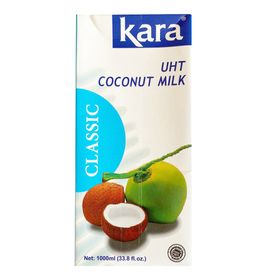
Coconut is a tropical fruit with a nutty, sweet taste, and a crunchy texture that lends itself to a wide variety of culinary applications. The flesh and juice are enjoyed raw or blended to make coconut milk, which has become a popular dairy alternative in many parts of the world. Coconut milk, in particular, has gained widespread popularity not just as a cooking ingredient but also as a base for beverages and even in the wellness industry.
Learn more about coconut, its juice and meat, its health benefits, nutritional information, and recipes. The versatility of coconut extends far beyond traditional uses. In modern cuisine, coconut products are used in everything from vegan baking to gourmet desserts, and its oil is prized for both culinary and cosmetic applications. The rise of plant-based diets has further increased the demand for coconut products, particularly coconut milk and cream as dairy alternatives.
Coconut oil, extracted from the meat of mature coconuts, has become a controversial yet popular health product. While some claim it offers numerous health benefits, others caution against its high saturated fat content. Regardless of the debate, coconut oil remains a staple in many kitchens and beauty routines, valued for its unique flavor and potential moisturizing properties.
The Global Impact of Coconut Production
It is one of about 2,600 species in the palm family Arecaceae and it is the only extant species in the genus Cocos. The global coconut industry supports millions of livelihoods in tropical countries, particularly in Southeast Asia, where countries like Indonesia, the Philippines, and India are the top producers. The economic importance of coconuts cannot be overstated, as they provide income for small-scale farmers and support entire communities through various cottage industries.
The term coconut refers to the fruit of the coconut palm, which consists of a fibrous outer husk, a hard shell, and the white flesh inside. This unique structure has made the coconut an incredibly versatile resource. The husk is used to make coir, a natural fiber used in ropes, mats, and brushes. The shell can be crafted into various utensils and decorative items, while the water inside is a refreshing beverage rich in electrolytes.
In recent years, the demand for coconut products has skyrocketed, leading to both opportunities and challenges for producing countries. While the increased demand has boosted incomes for some farmers, it has also raised concerns about sustainability and fair trade practices. Many organizations are now working to ensure that coconut production remains environmentally sustainable and economically beneficial for local communities.
Conclusion: The Enduring Appeal of Coconut
From its humble origins as a tropical fruit to its current status as a global superfood, the coconut has truly earned its reputation as the "tree of life." Its remarkable versatility, nutritional benefits, and economic importance make it a unique and valuable resource that continues to impact lives around the world. Whether enjoyed fresh from the shell, processed into milk or oil, or used in countless other applications, the coconut remains an enduring symbol of tropical abundance and natural wellness.
As we continue to explore and understand the full potential of this remarkable fruit, it's clear that the coconut's journey is far from over. With ongoing research into its health benefits and increasing demand for plant-based alternatives, the coconut is poised to remain a significant part of our culinary and wellness landscapes for years to come. By appreciating and responsibly utilizing this incredible resource, we can ensure that future generations will continue to benefit from the many gifts of the coconut palm.